
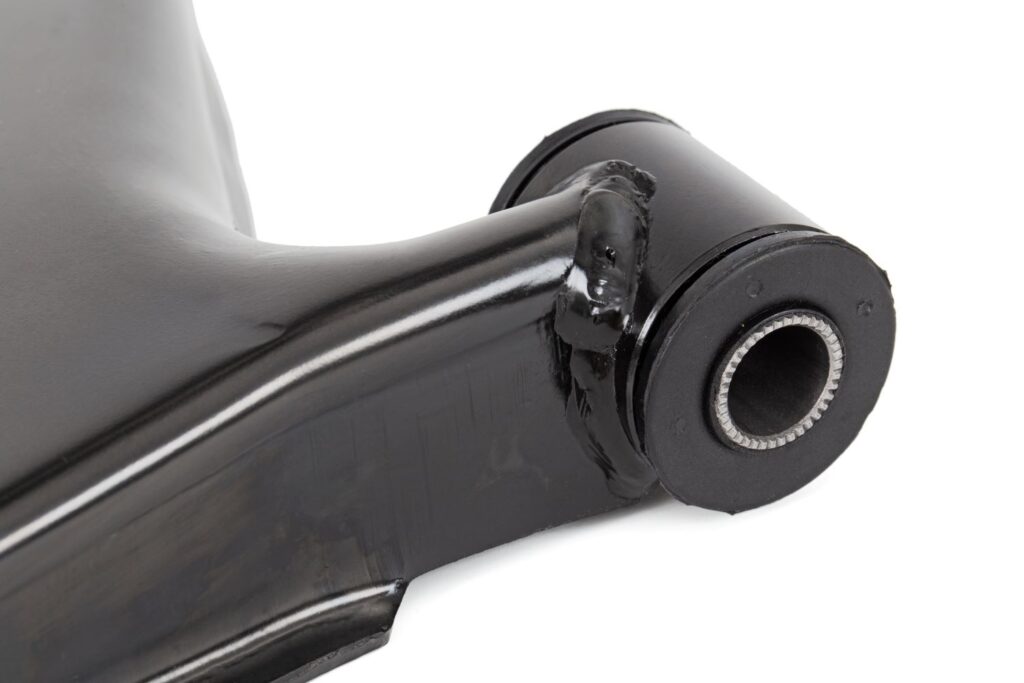
Black weld fittings are crucial components in piping and connection systems across various industries. They are designed for applications requiring strength, durability, and resistance to pressure and corrosion. The production of high-quality black weld fittings demands the use of suitable materials and meticulous manufacturing processes to create products that meet high standards and offer reliability.
1. Materials Used in Black Weld Fittings Production
The materials used in the production of black weld fittings are vital to the product’s quality. Generally, black weld fittings are made from carbon steel due to its high strength, excellent resistance to corrosion and abrasion, and capability to withstand high pressure and temperature fluctuations. This makes it suitable for harsh environments, such as pipelines in the oil and gas industry, petrochemical industry, or power plants.
Selecting high-quality carbon steel is essential in producing black weld fittings, as it directly impacts the product’s strength and durability. The carbon content in the steel is also a significant consideration; while a higher carbon content increases the steel’s strength, excessive amounts may cause the material to become brittle and prone to breaking.
2. Manufacturing Process of Black Weld Fittings
The manufacturing process of high-quality black weld fittings involves several precise and thorough steps to ensure a quality product. The main stages in producing black weld fittings include:
- Forming: The first step is forming the fitting from carbon steel, either through forging or casting, depending on the type and size of the fitting. This process shapes the fitting close to its desired dimensions and form.
- Welding: Next, the fittings are joined through arc welding or electric welding methods to ensure the fittings are robust and able to withstand pressure. High-quality welding requires skilled welders and meticulous inspection to ensure the welds are flawless and durable.
- Heat Treatment: After welding, the fittings undergo heat treatment to enhance the material’s mechanical properties and increase its strength. This process includes stress-relief heat treatment to eliminate any residual stress caused during welding and stabilize the structure of the carbon steel.
- Surface Coating: To improve corrosion resistance, black weld fittings are coated with a protective layer, such as black paint or zinc coating, which prevents the steel from coming into contact with air and moisture that could lead to rusting.
3. Quality Inspection and Testing
Quality inspection is a crucial step in the production of high-quality black weld fittings. This process includes checking the fittings’ dimensions and shape to meet specified standards, assessing weld strength, and performing pressure testing to ensure the fittings can withstand the required pressure. Additionally, corrosion testing is conducted to evaluate the fitting’s ability to endure harsh environments.
Producing high-quality black weld fittings requires the use of appropriate materials and a meticulous manufacturing process. High-grade carbon steel provides the fittings with the necessary strength and durability, while standardized production processes ensure a reliable product that can withstand severe conditions. High-quality black weld fittings are thus essential components that enable industrial piping systems to function safely and efficiently.
Related Posts

Monthly Accounting Services in Chonburi: Comprehensive Solutions for All Types of Businesses
Monthly accounting services in Chonburi are vital to the smooth…

Maintenance and Repair of Warehouses for Rent in Amata City, Chonburi
Proper maintenance and repair of warehouses are essential to ensure…